
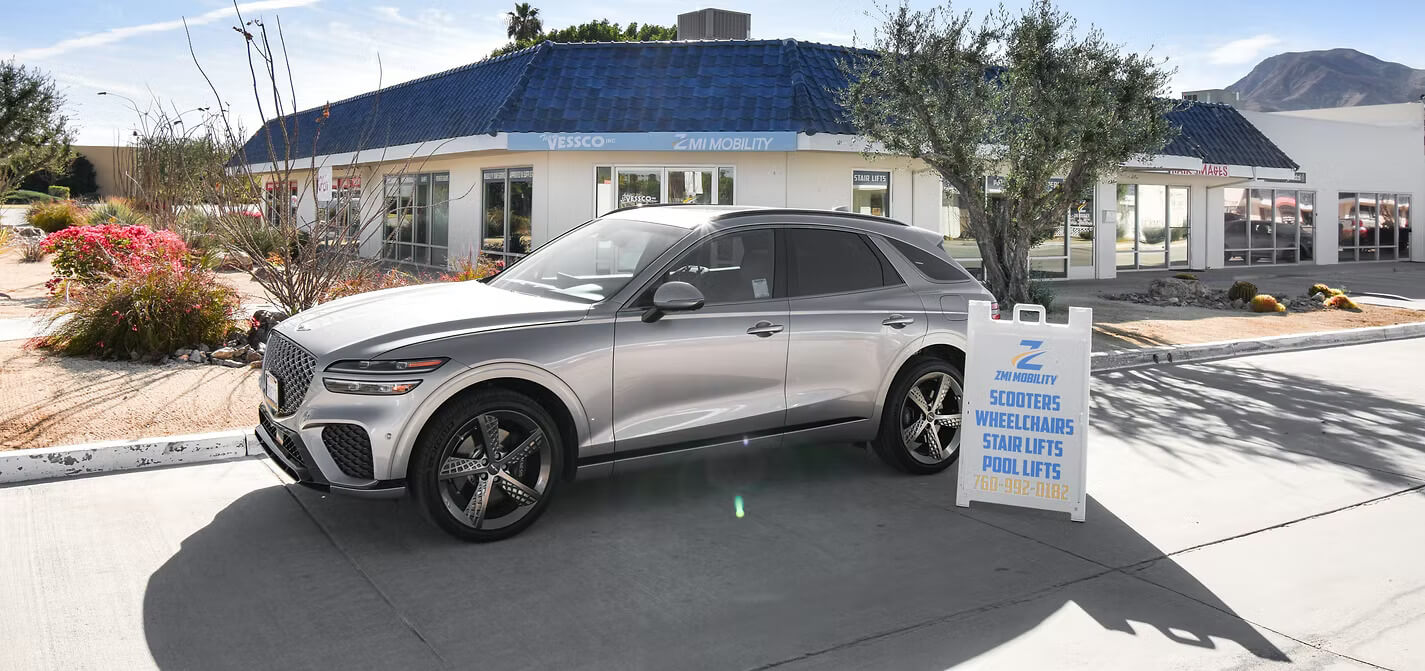
Hand controls and driving aids can completely change what daily transportation feels like. For many drivers, the goal is not just to make a vehicle usable. It is to make driving feel natural, comfortable, and confident again. When the setup is right, the car starts working with the driver instead of against them.
This guide explains what hand controls do, who they help most, how the main styles differ, and what should happen before installation. It also shows real ZMI Mobility installation examples so the conversation stays grounded in actual vehicles, not just abstract equipment categories.
What hand controls and driving aids actually do
Hand controls and driving aids are designed for drivers who need to reduce or replace the use of foot pedals or make steering and control inputs more manageable. The right setup helps the driver accelerate, brake, and maneuver in a way that matches their comfort, strength, and range of motion.
That makes these systems about more than mechanics. They affect posture, reaction confidence, fatigue, and how natural the vehicle feels over time. A clean installation can turn driving from something stressful and heavily planned into something calm and repeatable again.
Who usually benefits from hand controls
The best candidates are not all the same. Some drivers need a long-term adaptive solution. Others are working around a specific physical limitation, injury, or mobility challenge that changes how they operate the pedals comfortably and safely.
Hand controls can be worth exploring when:
- lower-body strength or movement is limited
- foot pedal use is painful, inconsistent, or unsafe
- driving confidence has dropped because the standard control layout no longer feels natural
- the goal is to preserve independence without compromising comfort
If broader vehicle accessibility is also part of the picture, ZMI’s Vehicle Access Solutions page is a strong companion resource because it connects driving controls with the rest of the mobility setup around the vehicle.
Four common hand control styles
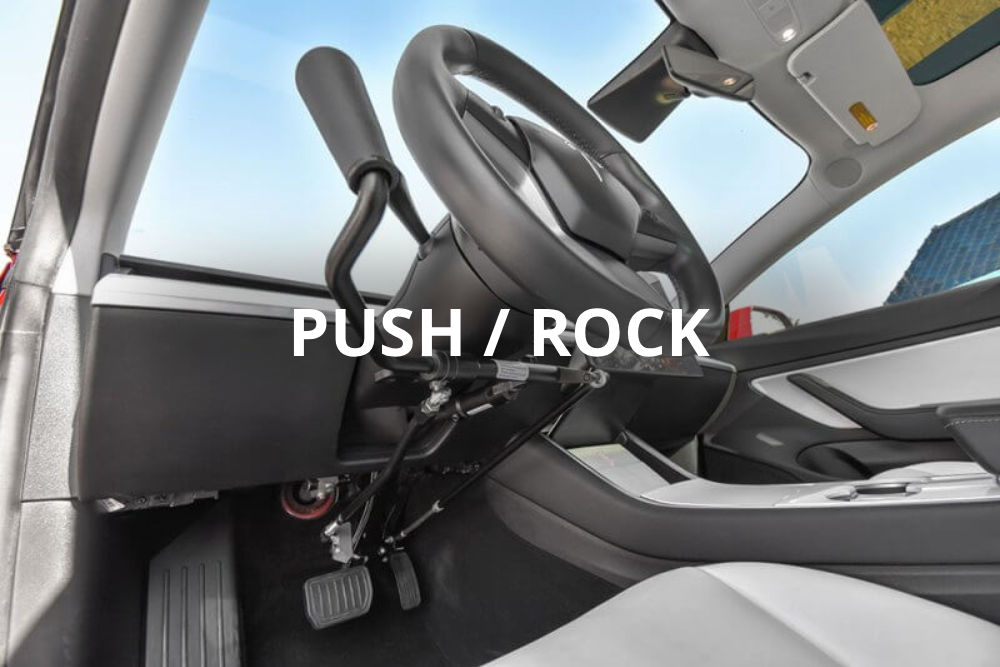
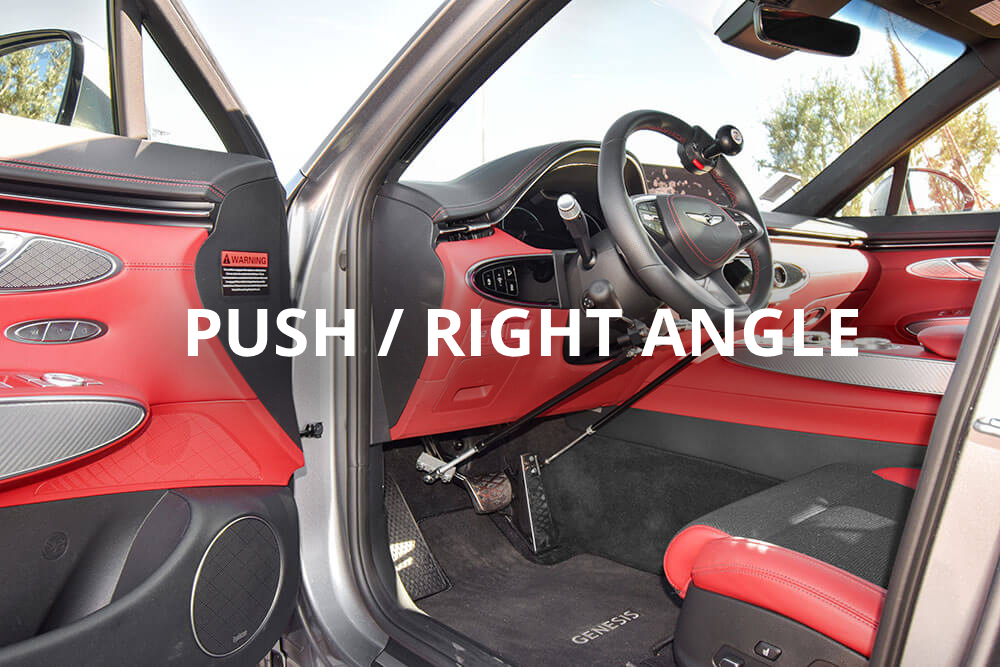
Different hand control styles feel very different in use. The right one depends on how the driver moves, how much force feels comfortable, and what kind of motion feels most intuitive behind the wheel.
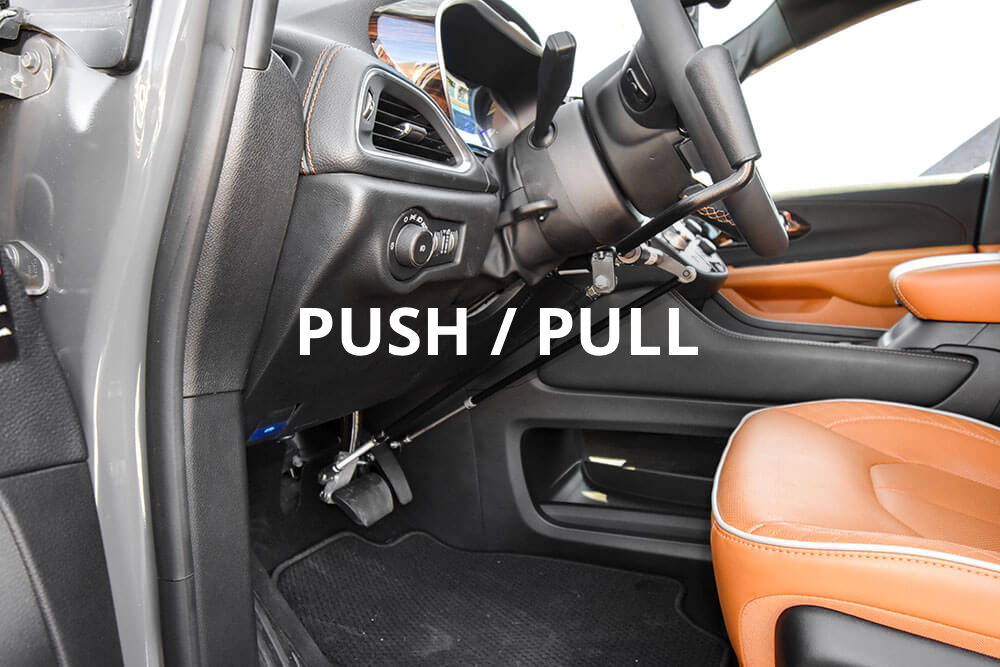
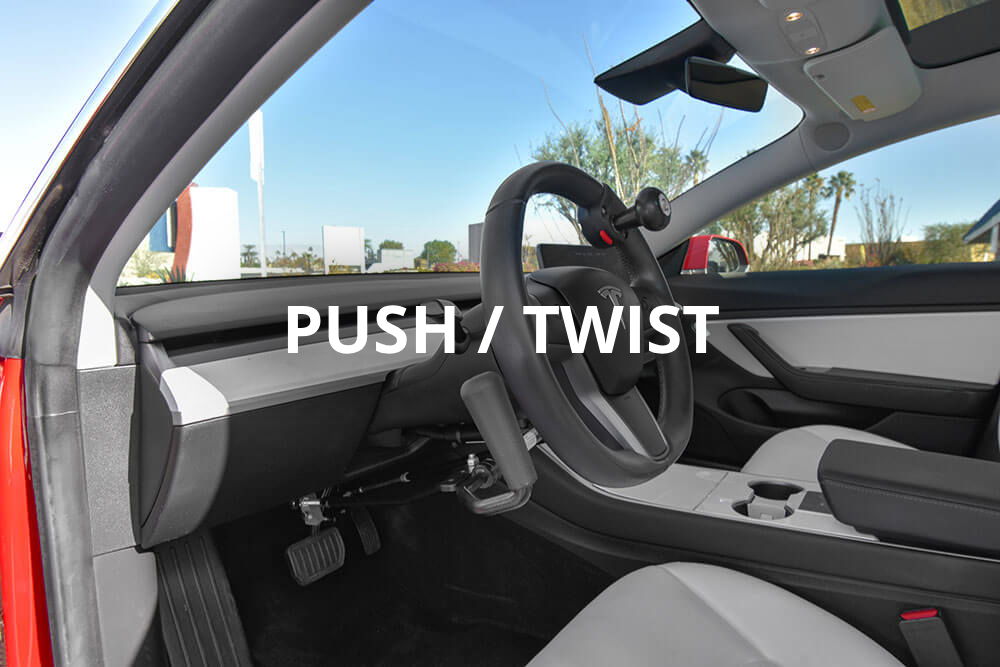
Push/Pull: Often a familiar starting point for drivers who want a straightforward motion and a clear separation between braking and acceleration.
Push/Rock: Can feel more compact and comfortable for drivers who prefer a rocking motion instead of a long push-pull travel path.
Push/Right Angle: Useful when a different wrist or arm position creates better control and comfort.
Push/Twist: Often chosen when rotational motion feels more natural than a direct push-pull movement.
How to choose the right feel for your body and driving style
The best hand control is not just the one that “works.” It is the one that feels sustainable after the first week, the first month, and the first long drive. Small differences in angle, travel, force, and hand position matter more than most people expect.
When comparing setups, it helps to think about:
- how much arm and wrist range of motion feels comfortable
- whether you prefer shorter or longer control movement
- how your hands sit on the wheel during turns and quick adjustments
- how natural the braking and acceleration motion feels under mild stress
- whether fatigue builds up during longer drives
That is also why this should be more of a fit conversation than a simple product conversation. Two people can have similar mobility needs and still prefer very different control styles once they are seated in the vehicle.
What vehicle fit and installation should cover
Even the best control style can feel wrong if the vehicle fit is off. Installation is not just about mounting equipment. It is about making sure the system works cleanly with seat position, steering reach, visibility, hand movement, and the driver’s normal rhythm behind the wheel.
A good installation process should consider:
- the driver’s seating position and reach
- how naturally the control integrates with steering movement
- clearance around knees, wheel position, and interior layout
- whether the setup feels intuitive in modern SUVs, sedans, or vans
- long-term reliability and clean finish quality
For broader background on mobility equipment and adaptive driving research, organizations such as NMEDA can be a useful starting point. But the practical fit of the system still comes down to the driver, the vehicle, and the real installation details.
Real installation examples from ZMI Mobility
One of the best ways to understand hand controls is to see where they actually get used. ZMI Mobility has installed these systems in a range of modern vehicles, which helps show that adaptive driving solutions can be integrated cleanly without making the cabin feel improvised or awkward.
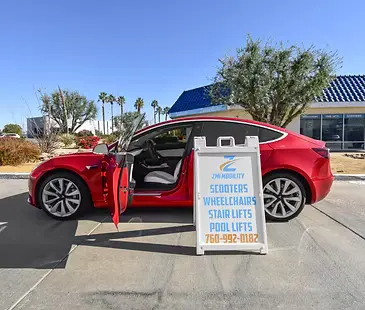
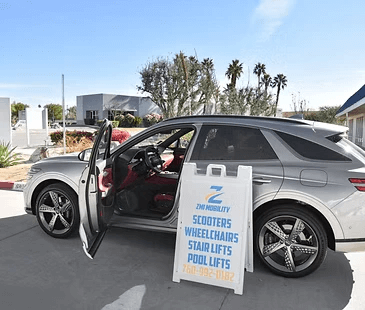
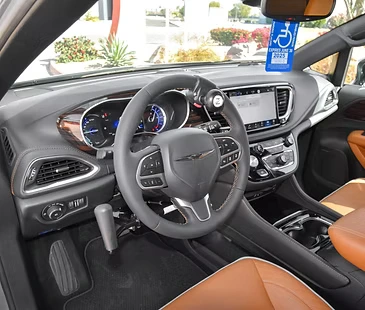
These examples matter because they show how the same category of driving aid can be adapted across very different vehicle types. The installation should feel intentional, stable, and easy to live with, not like a temporary workaround.
Questions to ask before you commit
If you are comparing options, ask questions that focus on real daily use instead of only the product name.
- Which control motion feels most natural for my arms, wrists, and shoulders?
- Will this setup still feel comfortable on longer drives?
- How well does it integrate with my current vehicle?
- What does installation and follow-up support look like?
- If I also need equipment transport, what other vehicle-access solutions should I think about?
That last question matters more than people think. If driving adaptation and mobility-device transport are both part of the picture, the guide on Choosing the Right Vehicle Lift for Your Power Chair can help connect those decisions.
How ZMI Mobility helps you choose with confidence
ZMI Mobility’s role is not just to install a product. It is to help identify which style feels right, which vehicle setup supports it best, and how the finished result can feel secure and natural every day. That includes matching the system to the driver’s comfort, motion, and long-term independence goals instead of simply pushing a one-size-fits-all answer.
If you want to compare options, start with the Hand Controls category, review the broader Vehicle Access Solutions page, and then reach out through Contact Us for a more personalized recommendation.